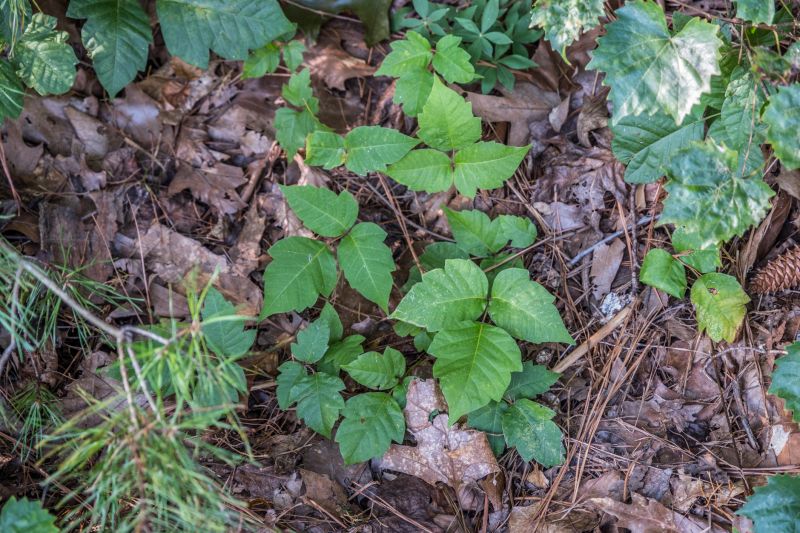
Poison Oak Removal in Bucks County, PA
Poison oak removal services are designed to help homeowners safely eliminate this hazardous plant from their properties. These services typically cover projects such as clearing overgrown areas, maintaining landscaped yards, and removing poison oak from wooded or brushy sections of a property. Property owners often seek this service to reduce the risk of skin irritation and allergic reactions caused by contact with the plant, especially in outdoor spaces used for recreation or gardening.
Before requesting poison oak removal, property owners should consider the extent of the infestation and whether the plant has spread to hard-to-reach areas. Understanding the location and size of the affected zones can help determine the best approach for removal. It is also useful to know if there are any nearby structures, pathways, or vegetation that may be impacted during the process. Proper identification of poison oak is essential to ensure safe and effective removal, minimizing the risk of accidental contact or spreading.
Many property owners in Bucks County, PA look into Poison Oak Removal for repairs, replacements, upgrades, and appearance-related improvements.
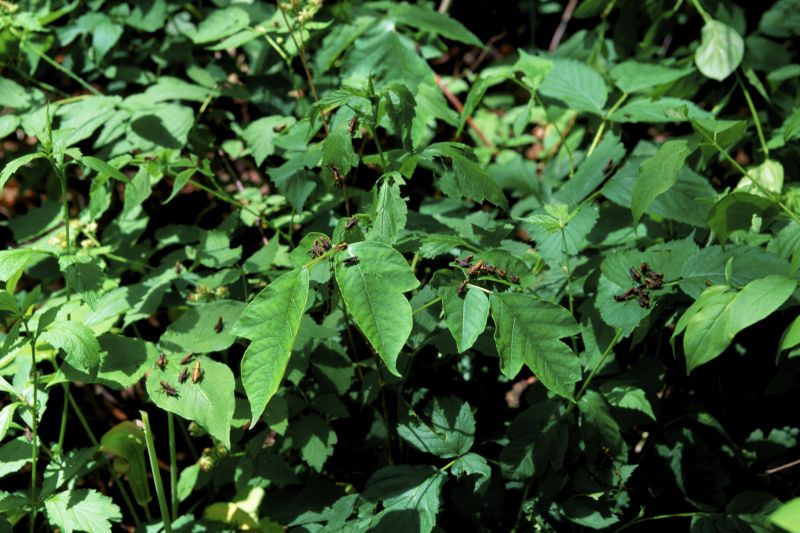
Poison Oak Identification
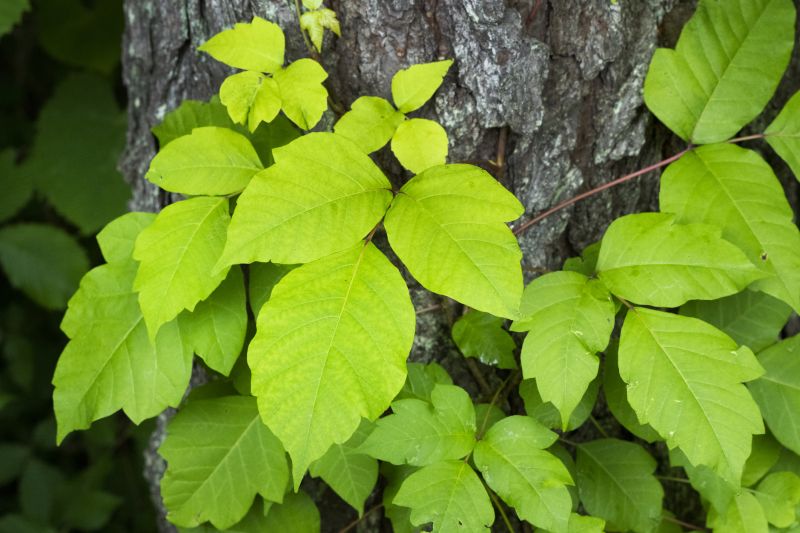
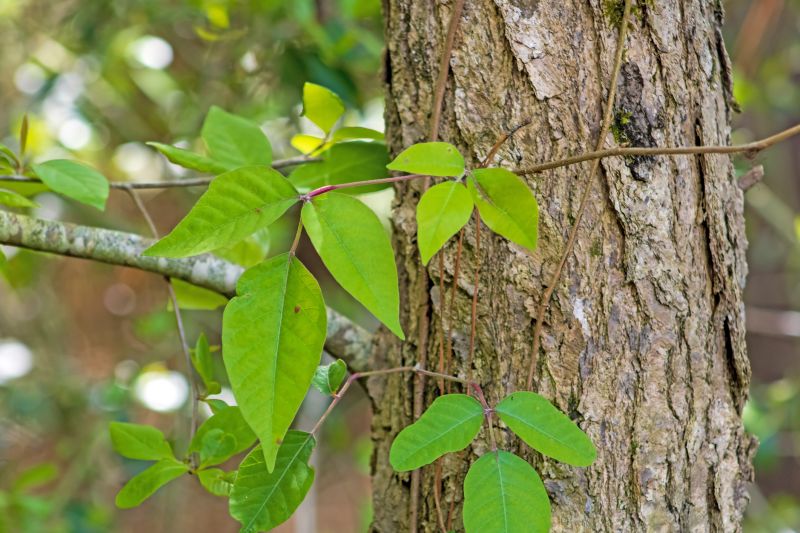
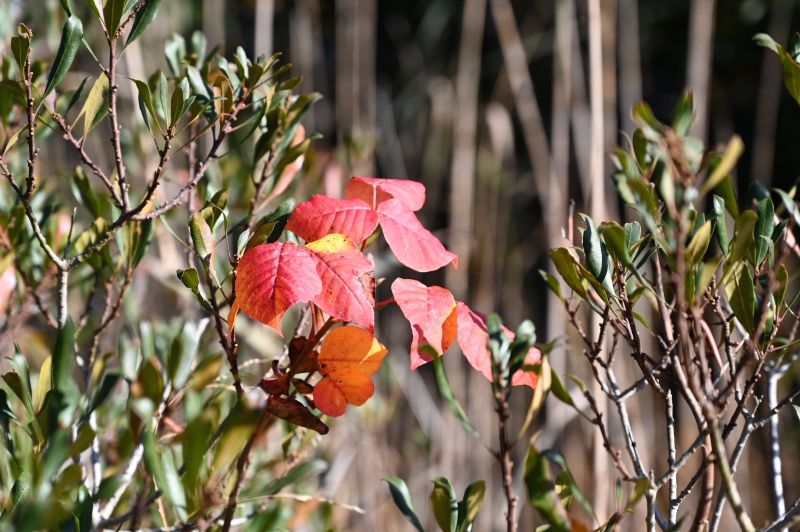
Understanding the appearance of poison oak helps prevent accidental contact on bucks county properties.
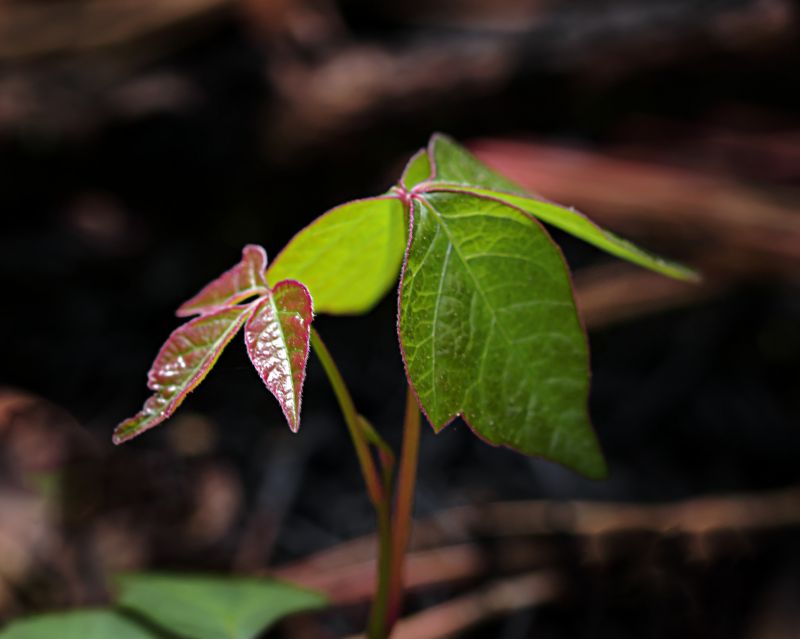
Health And Safety Precautions
Proper removal minimizes skin irritation and allergic reactions for homeowners and their families.
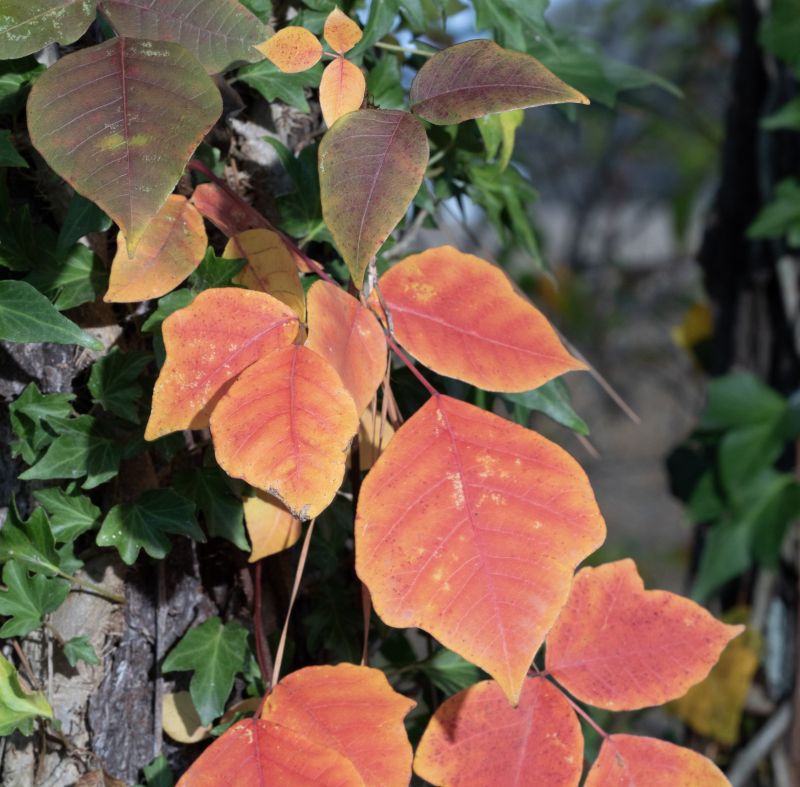
Property Maintenance Tips
Removing poison oak can improve the safety and appearance of outdoor spaces in bucks county communities.
Poison Oak Removal in Bucks County, PA
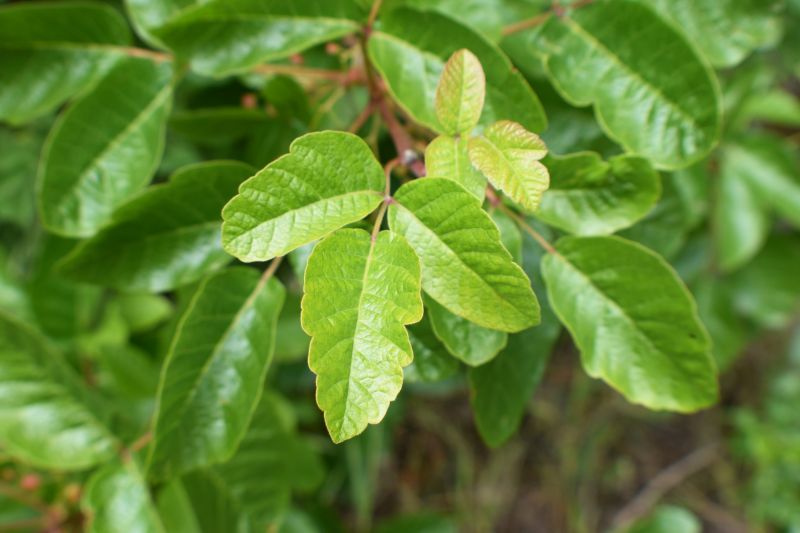
Poison oak removal services are designed to help homeowners safely eliminate this hazardous plant from their properties. These services typically cover projects such as clearing overgrown areas, maintaining landscaped yards, and removing poison oak from wooded or brushy sections of a property. Property owners often seek this service to reduce the risk of skin irritation and allergic reactions caused by contact with the plant, especially in outdoor spaces used for recreation or gardening.
Before requesting poison oak removal, property owners should consider the extent of the infestation and whether the plant has spread to hard-to-reach areas. Understanding the location and size of the affected zones can help determine the best approach for removal. It is also useful to know if there are any nearby structures, pathways, or vegetation that may be impacted during the process. Proper identification of poison oak is essential to ensure safe and effective removal, minimizing the risk of accidental contact or spreading.
Many property owners in Bucks County, PA look into Poison Oak Removal for repairs, replacements, upgrades, and appearance-related improvements.
Common Poison Oak Removal Jobs
Poison Oak Removal - Clearing poison oak from yards and landscapes to ensure safety.
Landscape Clearing - Removing invasive plants like poison oak to improve property appearance.
Property Maintenance - Regular removal of poison oak to prevent overgrowth and hazards.
Brush and Shrub Removal - Clearing thick brush that may contain poison oak for safety and aesthetics.
Yard Cleanup - Eliminating poison oak from lawn edges and wooded areas.
Vegetation Management - Targeted removal of poison oak to maintain a healthy outdoor environment.
Poison Oak Removal Questions
What is poison oak removal? Poison oak removal involves safely eliminating the plant from residential or commercial properties to reduce exposure risks.
Why remove poison oak? Removing poison oak helps prevent skin irritation, allergic reactions, and keeps outdoor areas safe for family and visitors.
What areas are typically treated? Poison oak is commonly found in yard edges, wooded areas, and along fences or property boundaries.
How is poison oak removal performed? The process includes carefully identifying and removing the plant, often through hand pulling or targeted herbicide application.
Request Poison Oak Removal in Bucks County, PA
Use the quote form on this page to share the basics of your project and request more information for the type of work you need.