Hemlock Removal in Harford County, MD
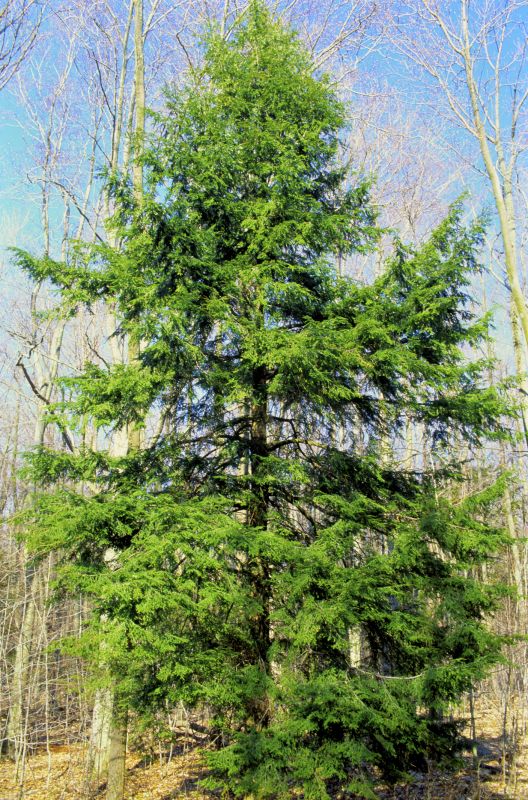
Hemlock removal services involve the careful elimination of hemlock trees from residential properties. This process is often requested when trees pose safety concerns, such as risk of falling due to disease or age, or when they interfere with existing landscaping and property development plans. Projects can range from removing individual trees to clearing larger areas where multiple hemlocks are present, helping to improve the safety, appearance, and usability of outdoor spaces.
Property owners interested in hemlock removal should consider factors such as the size and location of the trees, accessibility, and potential impacts on the landscape. It’s also helpful to understand the reasons for removal, whether for safety, disease control, or aesthetic reasons, to ensure the service aligns with the overall goals for the property. Contacting a professional can provide guidance on the best approach for a specific project and help evaluate any considerations related to tree removal on the property.
Many property owners in Harford County, MD look into Hemlock Removal for repairs, replacements, upgrades, and appearance-related improvements.
Reasons To Remove Hemlocks
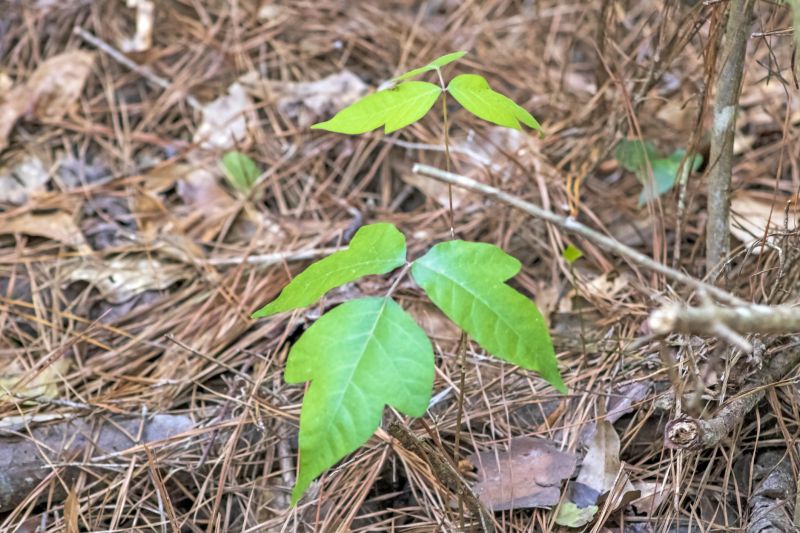
Removing damaged or diseased hemlocks can improve the safety and health of your landscape.
Hemlock Removal Process
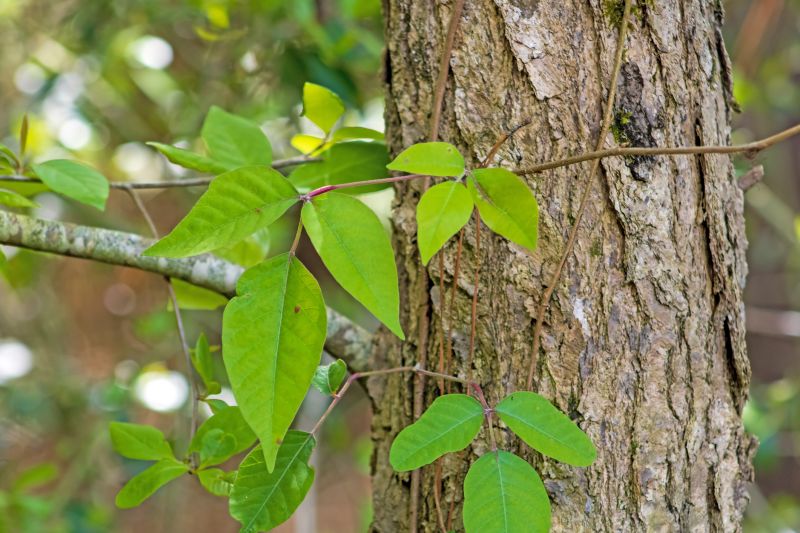
Professional removal involves carefully cutting and disposing of the trees to protect surrounding property.
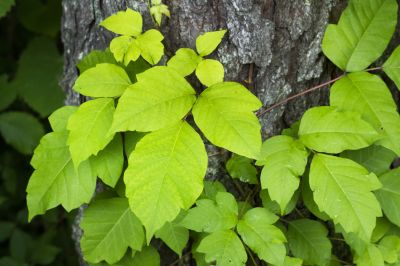
Property Improvement Benefits
Removing overgrown or problematic hemlocks can enhance curb appeal and open up space for new landscaping.
Hemlock Removal in Harford County, MD

Hemlock removal services involve the careful elimination of hemlock trees from residential properties. This process is often requested when trees pose safety concerns, such as risk of falling due to disease or age, or when they interfere with existing landscaping and property development plans. Projects can range from removing individual trees to clearing larger areas where multiple hemlocks are present, helping to improve the safety, appearance, and usability of outdoor spaces.
Property owners interested in hemlock removal should consider factors such as the size and location of the trees, accessibility, and potential impacts on the landscape. It’s also helpful to understand the reasons for removal, whether for safety, disease control, or aesthetic reasons, to ensure the service aligns with the overall goals for the property. Contacting a professional can provide guidance on the best approach for a specific project and help evaluate any considerations related to tree removal on the property.
Many property owners in Harford County, MD look into Hemlock Removal for repairs, replacements, upgrades, and appearance-related improvements.
Common Hemlock Removal Jobs
Hemlock removal involves safely eliminating invasive hemlock trees to protect surrounding vegetation.
Tree removal services include the complete removal of mature hemlocks to reduce property risk.
Stump grinding clears remaining stumps to prevent regrowth and improve landscape appearance.
Selective thinning reduces tree density to promote healthy growth of native plants.
Hazard assessment identifies unstable or diseased hemlocks that pose safety concerns.
Land clearing prepares properties for new landscaping or development by removing hemlock stands.
Hemlock Removal Questions
Why should Hemlock trees be removed? Hemlock trees may be removed to prevent disease spread, reduce safety hazards, or improve landscape health.
What signs indicate a Hemlock tree needs removal? Signs include pest infestations, significant dieback, or structural instability.
Is Hemlock removal suitable for any property? Removal is typically considered when the tree poses a risk or no longer fits the landscape plan.
What are common reasons for removing Hemlocks? Common reasons include disease, storm damage, or to create space for new plantings.
Request Hemlock Removal in Harford County, MD
Use the quote form on this page to share the basics of your project and request more information for the type of work you need.